
Captivated by Fools
False marketing, fake meritocracy, and flourishing mediocrity

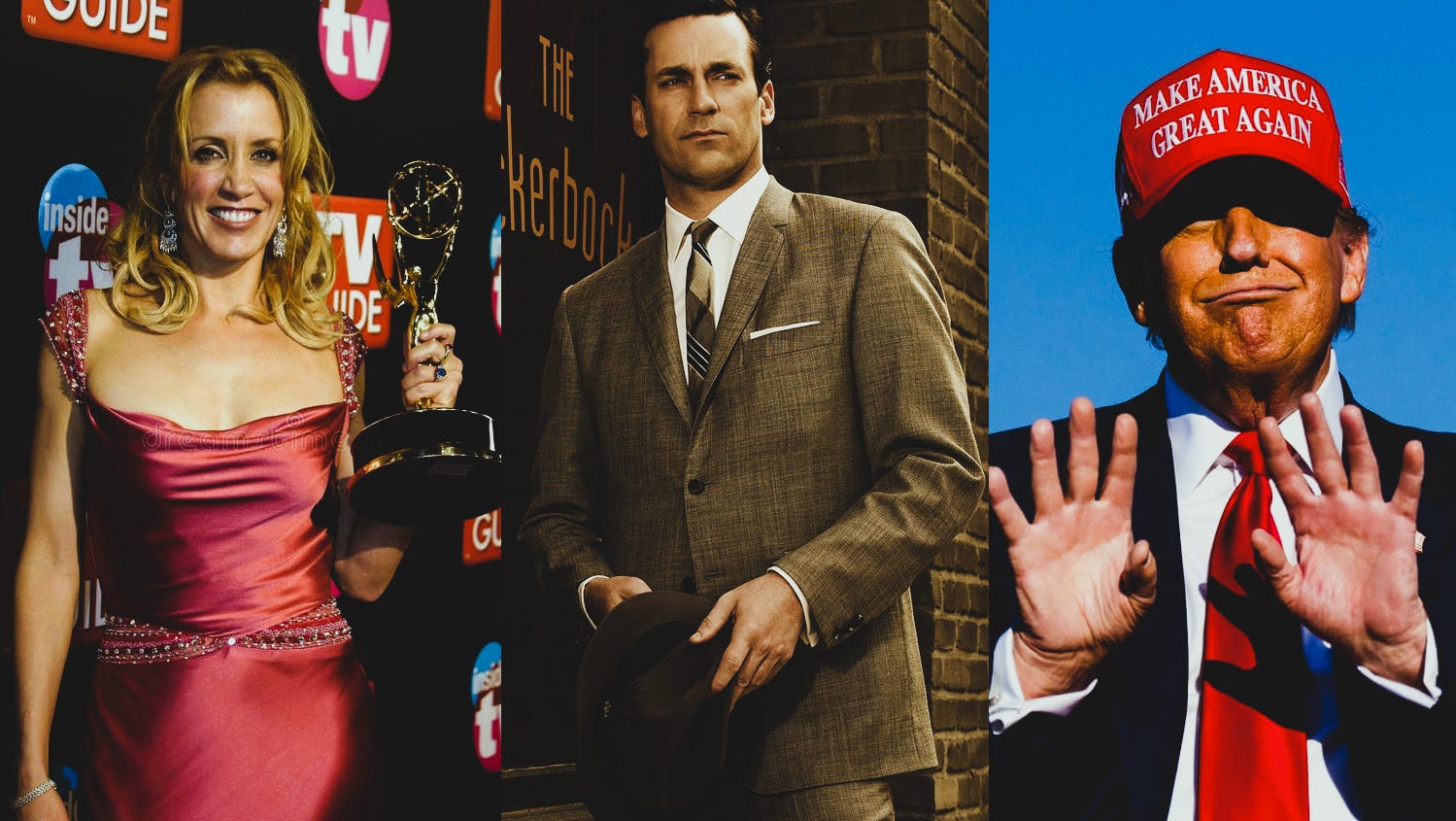
Competence is not what we admire, nor is it what we aspire to.
We think we admire it; we think we aspire to it. We think that we want the most competent among us to show up for the job interview, or to lead us. We understand, logically, that competence is important.
Merit alone isn’t the way that we promote individuals, nor is it the way we want to be promoted.
We think we believe in meritocracy; we think that we want a level playing field to compete on. We think that we want people to earn their status in society, and the zeroes in their bank accounts. We understand, logically, that meritocracy is the only non-arbitrary way to determine who gets what.
Greatness is what we actually admire and reward; it’s what many of us aspire to, whether we realize it or not.
More specifically, it’s stories of greatness that truly captivate us.
We think that you must be competent to be great; that being great allows you to ascend the social hierarchy, meritocratically and meteorically. We mistake a sufficient condition for a necessary one: competence can make you great, but not all greatness is achieved through competence. And it’s certainly true that not all competent people achieve greatness.
Greatness, for our purposes here, doesn’t mean good. It’s a judgment of scale, not value or morality; of efficacy, not virtue. It’s the ability to move the needle, not to loom like the North Star; it’s impact, not idealism. Historical figures you can name would be “great”, by virtue of the fact that you know their names dozens, hundreds or even thousands of years later. Good or bad, the things that they’ve built or destroyed, the works and the rubble, all of it endured for better or worse, and that’s why they survive in your mind.
In that sense, greatness can be understood as, not just survival, but transcendence. Beyond being just a node on the pathway to gene replication, your identity and work are preserved and referenced, specifically. You survive as an individual, not merely as a silent and forgotten progenitor.
Greatness relies on narrative to reproduce itself through memory, and narratives live or die by their emotional resonance. Some of the worst people to have ever lived are “great” by this conception, and you could argue, as many have, that historically great people are rarely moral people, because historical narratives prioritize the extremes of human behavior, and moral standards change. Even those who created more than they destroyed often trampled others on the path.
You are far more likely to be remembered by perpetrating a horrible crime, rather than being a victim of one.
What’s worse is that competence is sometimes a hindrance to greatness. Why? Because competence, by itself, isn’t really that compelling. It doesn’t have a narrative arc that resonates, and the development of competence often defies the risk-taking and the dramatic turns that make stories resonate.
Competence is found in the mundane; in the reliable power grid, the systems removing waste from our homes and garbage from our driveways, the emergency and healthcare services and infrastructure management that keep us alive, the food producers and truck drivers that keep us fed, the teachers and caregivers that develop and sustain us, along with the millions of other jobs that keep civilization humming along. Competence is all around us, and we don’t admire it; worse, we take it for granted, and get angry on the rare occasion that it dares to fail us.
It would be absurd to suggest that everyone aspires to greatness, but it isn’t a stretch to say that most people admire it. Understanding the distinction between competence and greatness is necessary if we want to do a full autopsy on what moves us; what captivates us.
As for the people who do aspire to greatness in this grand, historical sense, most of them aren’t explicitly aware of this distinction either, and fewer will actually achieve anything resembling greatness. But what they invariably seek, consciously and willfully, is exception.
Being exceptional is the bridge to greatness. And it has broad appeal, even among those who lack grandiose ambitions.
Exceptionalism, like greatness, can be completely detached from competence. You don’t need competence to be exceptional, and competence alone doesn’t grant you exceptionalism. Exceptionalism, on the other hand, is a necessary condition to greatness. We’re drawn to people who are exceptionally noisy, or rather, who make noises that signal exceptionalism.
All of this predisposes us to be captivated by fools. We buy into the marketing, believe in meritocracy, and back mediocrity, because it makes for a great story. Competence need not apply.
The Great Despair
Don Draper: We’re flawed because we want so much more; we’re ruined because we get these things and wish for what we had.
We are all haunted by potential, and ruined by its actualization.
Potential both keeps us wanting, and leaves us wanting; it holds us in a perpetual cycle of aspiration, acquisition, and dissatisfaction. We desire, capture, consume, then desire again based on the potential that the next thing we capture will fully and finally satisfy. Somewhere between desiring and consuming, we feel happiness, and right after consumption, we feel satisfaction, but both are fleeting. Eventually we return to our dissatisfied default, and the cycle begins again.
Every so often we pause, in a moment of clarity and ruin, within the gap between one acquisition and the next. We briefly recognize the unceasing pattern; it doesn’t stop us from embarking on the next cycle, but the recognition is there. We look back, briefly, and call it nostalgia.
The emotions involved feel irrational, but the underlying drivers are adaptive. Lasting satisfaction, if such a thing were possible, would end the cycle, and that would mean death, literally and figuratively. The emotional swings propel movement, shifting the gears from one phase of the cycle to the next, and movement sustains life.
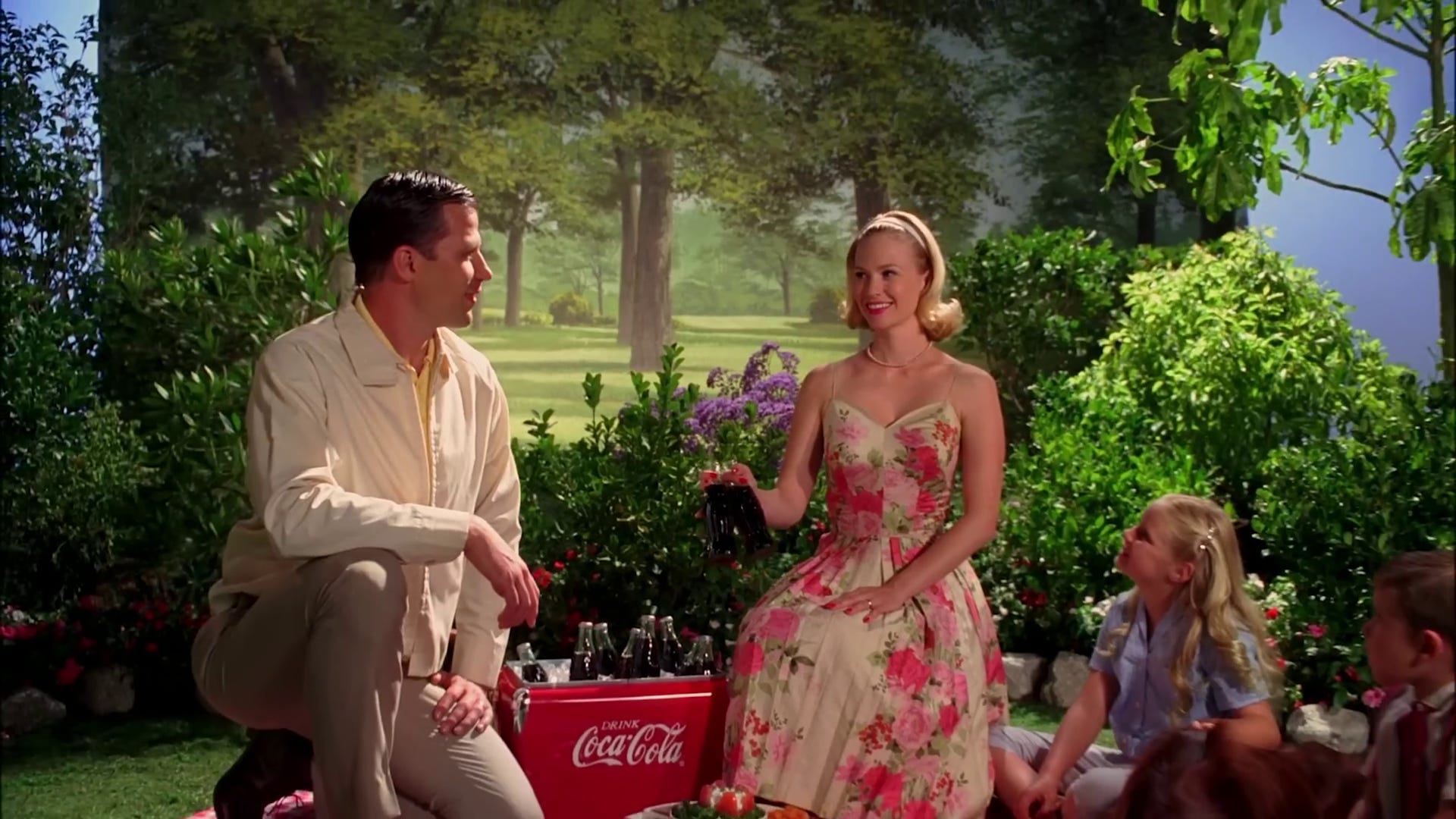
When Don Draper tells the audience “advertising is about happiness”, he’s selling you an incomplete story, yet he’s also telling you everything you need to know about marketing.
The main character of the AMC show Mad Men, Draper is an exceptional Madison Avenue advertising executive, in a firm filled with people vying for exceptionalism in 1960s America. A man who has everything on the outside, and nothing on the inside.
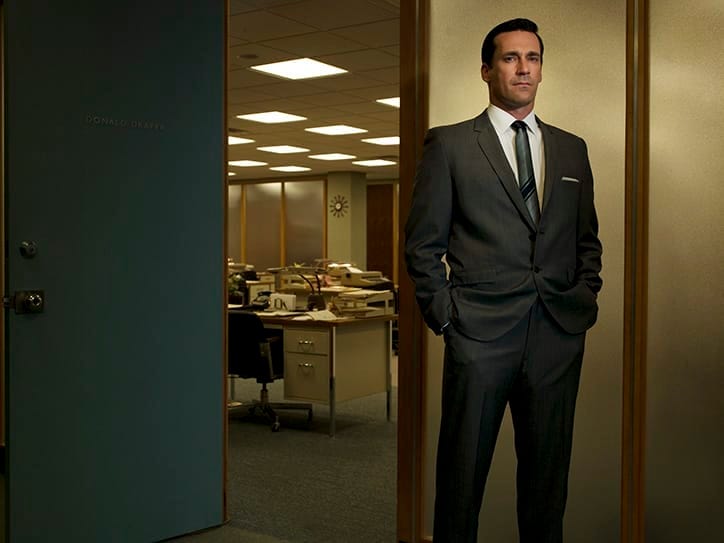
He’s a fool, but he’s self-aware. He sells happiness because he doesn’t possess it; he understands the cycle because he knows he’s trapped in it. And if the man who “has it all” is trapped in it, what chance do you have at resisting his pitch?
Nothing you’ve consumed has fully satisfied you… yet. No product has given you lasting happiness… yet. Happiness isn’t in the acquisition; it’s in the rush you feel when you think you’ve spotted potential; when you’ve identified the one thing you need that will tie it all together.
Don Draper: You’ll tell them the next thing will be better, because it always is.
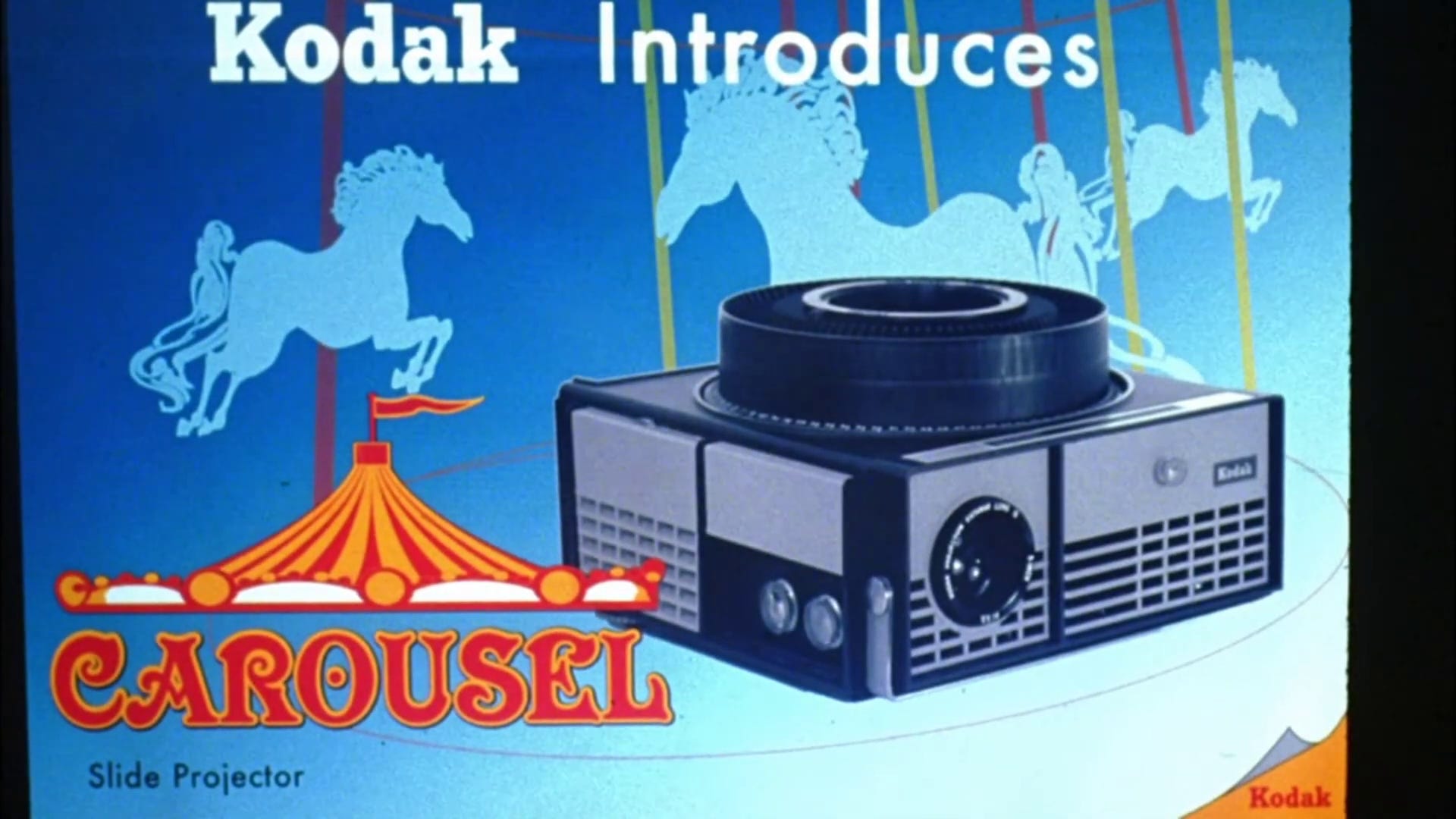
During one episode, Draper is tasked with selling a circular slide projector by Kodak that they call “the doughnut” or “the wheel”. He is asked to “find a way to put the wheel into the future”, as in, take something as basic and ancient as a wheel and “give it legs”. The executive at Kodak even remarks “we know it’s hard because wheels aren’t seen as exciting technology, even though they are the original”. Don’s job is to make something old seem new again; to renew the cycle of desire.
Draper does what an exceptional ad executive would do, and what people who are seeking exceptionalism do broadly: they weave a narrative.
Don Draper: Technology is a glittering lure, but there’s the rare occasion that the public can be engaged on a level beyond flash… if they have a sentimental bond with the product.
No mention of quality, utility, ingenuity, or technological sophistication; those things don’t matter without the narrative hook that resonates emotionally. Don knows this, and proceeds to turn on the projector – the wheel – which he has loaded with pictures of his wife and children.
Don Draper:… in Greek, nostalgia literally means “the pain from an old wound”. It’s a twinge in your heart, far more powerful than memory alone.
And here comes the hook…
Don Draper: This device isn’t a spaceship; it’s a time machine. It goes backwards and forwards… it takes us to a place where we ache to go again. It’s not called the Wheel; it’s called the Carousel. It lets us travel the way a child travels, around and around, and back home again… to a place we know we are loved.
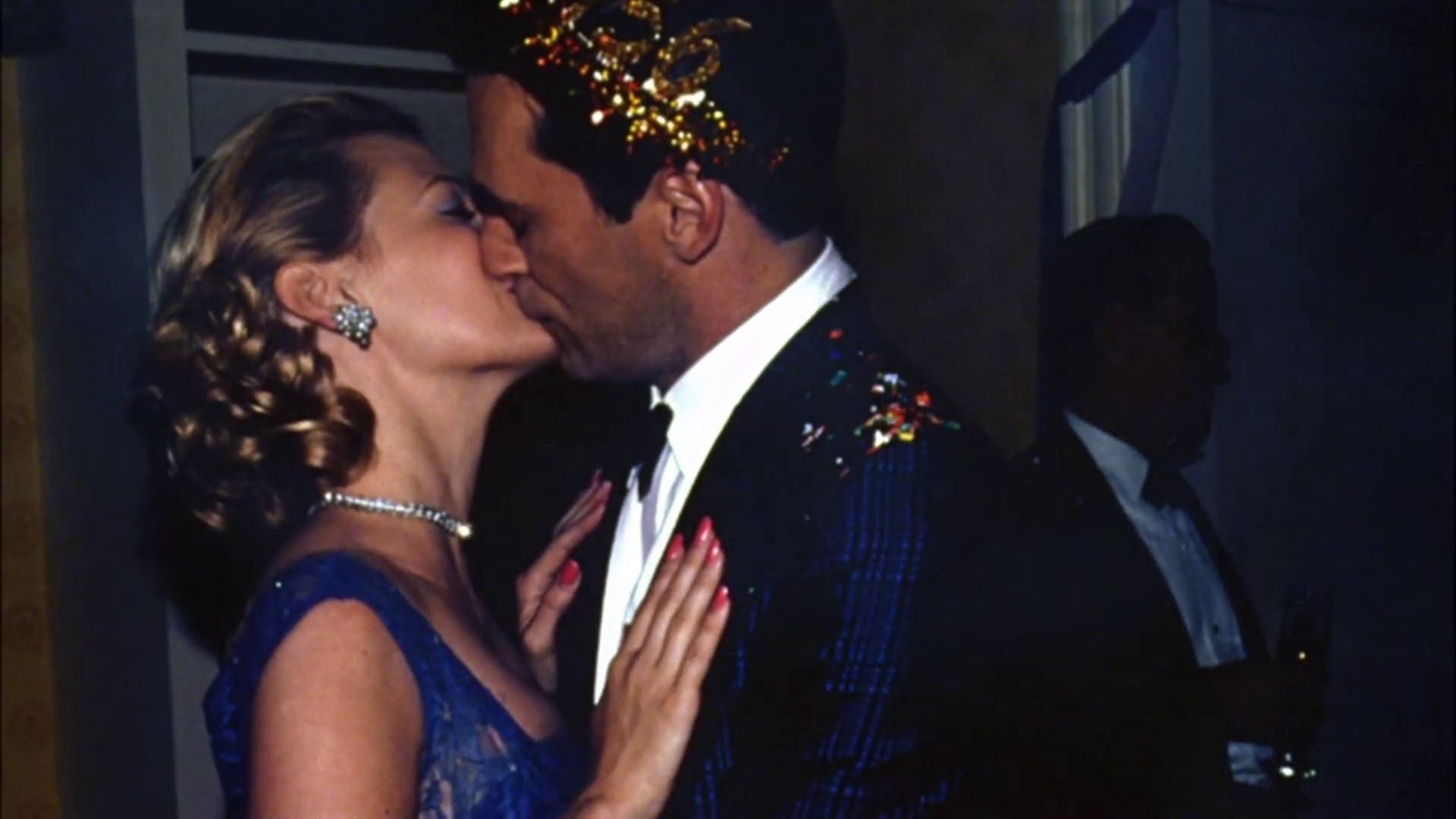

The cycle of desire, the search for potential, the great despair that keeps us and leaves us wanting, is also the Carousel that we ride over and over, both for the momentary happiness, and the irrational yet emotionally resonant potential that the ride may take us somewhere we’ve never been, or back to a place we yearn to revisit.
Don Draper is exceptional because of narratives; the ones he creates for his clients, and the one he created for himself. He sells the Carousel, and does it so well because he himself is trapped riding it, and he knows that we’re all trapped with him.
Exceptional people captivate us because the narratives that surround them exploit the same psychological mechanisms that marketing exploits: the seductive promise of potential, for ourselves and the world around us. This is why greatness requires exceptionalism and in turn, why exceptionalism requires a narrative to delineate and define it.
Narratives turn the Carousel. And when the ride stops, we get right back in line to ride it again.
The Great Hook
Don Draper: You’re happy because you’re successful - for now. But what is happiness? It’s a moment before you need more happiness. I won’t settle for fifty percent of anything... I want one hundred percent.
Wealth and exceptionalism are often correlated, but not just in the obvious ways.
We’re dealing with another sufficient condition posing as a necessary one: wealth affords you exceptionalism, but exceptionalism does not necessarily lead to wealth. That’s easy to understand, and it’s intuitive. The less intuitive connection is as follows: exceptionalism is a necessary condition to the transfer of wealth from one generation to the next.
Just as greatness relies on narrative to reproduce itself through memory, wealth relies on exceptionalism to transfer forward through time.
The mechanism for this is a word that has become maligned and is often triggering, yet it’s the most accurate term available for this specific brand of exceptionalism: privilege.
Privilege operates both internally and externally; psychologically and structurally, as both a state of mind and a state of affairs. By definition, to be privileged is to exist in a state of exception, where you’re exempt from certain rules and realities, and where unearned advantages are handed to you, by virtue of your status.
One could argue that privilege naturally comes with wealth because it’s earned as a reward for being financially successful, and that’s certainly true. In a capitalist system, incentives power hard work and innovation which we all benefit from to some degree, and that work is rewarded financially. That’s the incentive structure, and the money wouldn’t mean anything if it couldn’t buy you any privileges. The system produces inequality of outcome, but again, there would be no incentive if that wasn’t the case. Wealth, like every other marker of status, is relative; it exists in contrast, and it can only function as an incentive if it is exclusionary.
We want the things we want, in part, because they’re not available to everyone. Exclusivity is just another narrative turning the Carousel, as it kick-starts the cycle of desire.
There’s a problem with this, however. While it’s true that wealth has to be earned at its point of origin, it’s not true that everyone earns their wealth. When people identify privilege, this is usually what they’re pointing to: the inherently unfair circumstances that make someone rich who didn’t earn it. It’s also used, with a negative connotation, to explain the mindset of entitlement, which eschews the concept of earning all together and takes privilege as a given, through group membership or birthright.
The other problem is that buying privilege over a lifetime gets expensive. The old adage about money is that it’s hard to make but even harder to keep, and that’s true, but mostly for people who are not prepared to handle it. This is one of the traits that often separates smart money from stupid, or old money from new.
Historically, wealth transfer was secured through primogeniture, a system of inheritance that gave control of a family’s wealth to the first-born son, in order to prevent its dilution and to ensure that the steward of the fortune was prepared. Splitting the wealth up among multiple family members was a recipe for conflict, which jeopardized the fortune.
Primogeniture has disappeared from modern capitalist societies; a systemic preference for privilege has replaced it. Society has been arranged in a way, by the privileged, for the privileged, to preserve the wealth of the already wealthy, in a sort of inverted social safety net. It didn’t require some grand design or sweeping legislation; it unfolded naturally, in the context of a liberal system that allowed wealth to accrue and reinforce itself. Legislative support would come later, along with a speculation-based economy and its shareholder apparatus ripe with arbitrage opportunities for those with capital and connections, but by then, privilege preference was already entrenched.
How can a system that is more “winner takes all” than it is “equal opportunity” persist? What keeps the bottom 95% playing, despite the stacked deck?
You know the answer by now: narratives.
And there’s one specific narrative that does most of the heavy lifting: meritocracy.
Don Draper: You’re good. Get better. Stop asking for things.
People believe that we live in a meritocracy because, like any great lie, it’s partially true. You can succeed based on merit, and people do it all the time. And everyone wants to succeed, so it’s a universally appealing story. It’s also a useful thing to believe, because it will compel the ambitious and hard-working to pursue exceptionalism, increasing their chances of success.
That’s the part of the lie that survives daylight, but there’s a huge downside as well, at least for the 95% who have to do it the hard way: believing that society is meritocratic allows the privileged to maintain their narrative of exceptionalism, even when it’s unearned.
If you believe we’re in a meritocracy, then the unequal outcomes aren’t merely inevitable, they’re just. Everyone has the money and status they’ve earned; no one is overpaid or underpaid; no one is being taken advantage of or exploited; the best man or woman gets the job, so the cream rises to the top; inequality isn’t a bug, it’s a feature.
Meritocracy isn’t a filtering process designed to select for the best and brightest; it’s a mythical framework for justifying the position of those who have been pre-selected for the top of the hierarchy, regardless of merit.
It’s the primary narrative that allows wealth and status to transfer from one generation to the next, without disruption or dilution.
It also allows for mediocrity to flourish.
Don Draper: This never happened. It will shock you how much it never happened.
Who needs primogeniture when you have Ivy League college admission policies?
“Leadership quality” is one of the vague terms used by college admission officers in the United States to justify admitting students for a wide range of non-academic criteria. On the surface, that might not seem like a problem; “merit” is multifaceted, and one could argue that there are lots of qualities that could make someone a great candidate for a top school, and later, a high-status position in any organization or institution, other than sky-high academic aptitude.
In an article written back in 1997 called “The Pitfalls of a Pure Meritocracy”, a former senior admissions officer at Harvard named David Evans attempted to make this case, in defense of non-academic admissions criteria for the Ivy League. He uses the analogy of an orchestra for his main argument, pointing out that if all the best musicians available were violinists, hiring only the best musicians would result in having an orchestra of only violinists, which means it would no longer function as an orchestra at all.
The problem with this analogy is that no orchestra would audition on the basis of the best overall musician, but rather, the best available musician for each instrument in the orchestra.
If Ivy League schools exist based on their reputations as exceptional academic institutions, which they do, then admitting students for non-academic criteria, whatever that criteria may be, undermines that reputation. And this problem is worsened by vague characteristics like “leadership qualities”, which run cover for arbitrary non-academic assessments.
In addition to leadership quality, there are other terms that Ivy League colleges use to sort applicants: legacy status, hooked and unhooked, development cases, and so on. These terms are not oriented around academic or non-academic achievements; they’re all associated with the applicant’s socioeconomic background.
Legacy status gives preference to students who are related to alumni; hooked and unhooked have to do with the student’s connection to alumni, donors, financial or political resources, or other powerful connections; development cases are students who come from very wealthy families who are not yet connected to the school’s donor network, but who may be open to a quid pro quo arrangement.
In his book “The Price of Admission: How America’s Ruling Class Buys Its Way into Elite Colleges--and Who Gets Left Outside the Gates”, Daniel Golden goes into forensic detail about all of the various non-academic criteria used by admissions officers. The key takeaway of his extensive work is that the majority of spots for the top schools in America, including Harvard, Yale, Duke, Princeton, and Brown, are taken up by students whose parents or other family have the privilege of wealth or legacy. In some cases, to the tune of many millions of dollars in donations. Estimates run as high as 80-85% of all seats occupied in this manner, which means that unhooked students have to part the seas in order to have any shot of making it. Even if the estimate were half that, it would completely undermine any claims of meritocracy.
One important caveat is that some connected students deserve their place, and other privileged students do get rejected; the point is that the system isn’t based solely on academic merit, which means that these Ivy League schools don’t deserve their reputation for churning out the “best and brightest” among the population. The difference between reputation and reality matters.
With a group of ultra-wealthy people willing to spend millions of dollars to get their kids admitted, and with colleges having unchecked discretion to admit or deny for non-academic reasons, corruption was inevitable. In 2019, an FBI investigation with the code name “Operation Varsity Blues” uncovered a criminal conspiracy centered around a man named William Rick Singer, who arranged admission to elite schools for the children of his clients by cheating admission exams and faking athletic credentials.
The client list featured a number of famous and prominent people, including actresses Lori Loughlin and Felicity Huffman who, fair or not, became the faces most associated with the scandal, along with a list of entrepreneurs, CEOs, and other exceptional individuals.

Singer was sentenced to 3.5 years in prison and $10 million in forfeiture; another 50 people were charged and convicted; 33 were parents trying to get their kids admitted. They all had to serve some combination of a light prison sentence (under one year) along with community service and paying a fine. Huffman got 14 days in prison, 250 hours of community service, and a $30,000 fine; Loughlin got 2 months in prison, a $150,000 fine, and 150 hours of community service.
Financial incentives alone don’t explain either the admission policies, or the great lengths parents take to secure an Ivy League education for their children.
As far as the schools go, Harvard, sitting at the top of the heap, has an endowment of $56.9 billion as of May 2025, according to its own published report. For perspective, that’s more than the reported GDP of 124 different countries. It’s functioning less as an academic institution and more as a hedge fund, which destroys any argument that these top schools somehow wouldn’t get by without their “generous” donors and preference for legacy.
In an interview with ABC News, Felicity Huffman said the following:
“It felt like I had to give my daughter a chance at a future… it was sort of like my daughter’s future, which meant I had to break the law.”
Felicity Huffman was born into a wealthy family, is married to another actor, is an Emmy Award winner and an Academy Award nominee, and has a net worth somewhere in the tens of millions of dollars. She claims she was worried about her daughter having a future, as if there was no future outside of buying her a fake SAT score to get her into an elite school.
The immense privilege of being the daughter of two rich actors wasn’t enough of an advantage to secure her future, because no amount of wealth or privilege is enough without the narrative of exceptionalism to accompany it. That’s not reality of course, but it’s the perception that drives the sort of entitlement that allows people who already “have it all” to cheat the system, and in this case, break the law, and to do so while taking opportunities away from unhooked, exceptional-but-not-privileged people who actually merit those opportunities.
The school’s primary concern isn’t money, even if they are driven by it, just as Huffman’s primary concern for her daughter has little to do with her actual material well-being, or “giving her a chance” at anything; it’s about protecting wealth and status through exclusionary mechanisms; it’s about keeping most of the population out of the club; it’s about maintaining the story of meritocracy as part of the shell game.
Huffman, like the others involved, was haunted by potential and ruined by its actualization. And yet the Carousel continues turning, unabated.
The Great Performance
Don Draper: Kids today... they have no one to look up to... because they’re looking up to us.
Leadership has never been more exceptional… or more incompetent.
Competence is assumed when exceptionalism is signaled, but the reverse is not true: we don’t see competence as a signal of exceptionalism. The consequence is that the performance of exceptionalism is celebrated over the promotion of competence.
The reason should be clear by now: exceptionalism is bolstered by narratives; competence is taken for granted because it’s a necessary part to the day to day maintenance of civilization. You don’t think about the oxygen you breathe or the water you drink until something interferes with your access to those things. And for those of us who are privileged enough to not know deprivation, we feel entitled to the fruits of competent labor, which is why true competence is rarely celebrated.
We can’t bear to contemplate a world without competence, so there is no narrative arc to indulge.
Similarly, competent people are often reluctant to take leadership roles, because those jobs are both high stakes and thankless, when performed properly; even more thankless than the mundane, everyday jobs that sustain us. Leadership, especially in politics, requires making difficult, lose-lose decisions that will make some segment of the population unhappy. You may even ruin people’s lives or get them killed.
Without a compelling narrative to obfuscate, rationalize, or justify what will inevitably be unpopular or polarizing decisions, and without some false sense of privilege or exceptionalism to bolster one’s sense of importance, these decisions can be nearly impossible to make. In that way, competence can sometimes interfere with exceptionalism, and in turn, can disqualify a person from attaining greatness.
When we consider the myth of meritocracy, the self-perpetuating and self-protective nature of the “elite” class, and these unfortunate and often overlooked facts about competence, it’s much easier to see how the entire arrangement leads to the flourishing of mediocrity.
The modern political environment is what we get when privilege, exceptionalism, and entrenched narratives have been cooking for way too long. The system creates the perfect conditions for leaders to emerge who excel at the performance of exceptionalism, not the competent administration of leadership and public service. This emergence is facilitated through connections; through hooks that are inherited more often than they’re earned.
And the truth is, we all love it. We line up for the Carousel, just like the leaders who believe their own narratives do; even the most self-aware among us can’t help it, for the same reason Don Draper can’t help it: we’re all trapped in the cycle of desire, and we’re captivated by the potential we see in the performance of exceptionalism.
Don Draper: You can’t tell people what they want. It has to be what you want.
Every spin of the Carousel ultimately leads to dissatisfaction, and so we take the ride again. The political and cultural landscape goes from one sharp pendulum swing to the next; the dissatisfaction – the great despair – is blamed on the last person in charge, so of course, the answer must be the opposite of what you just had, and the cycle of desire, with all of its potential, begins again, as we become hooked on great performances.
Hope and Change didn’t work, so Make America Great Again. When that inevitably fails, the remedy won’t be competence, just a better story.
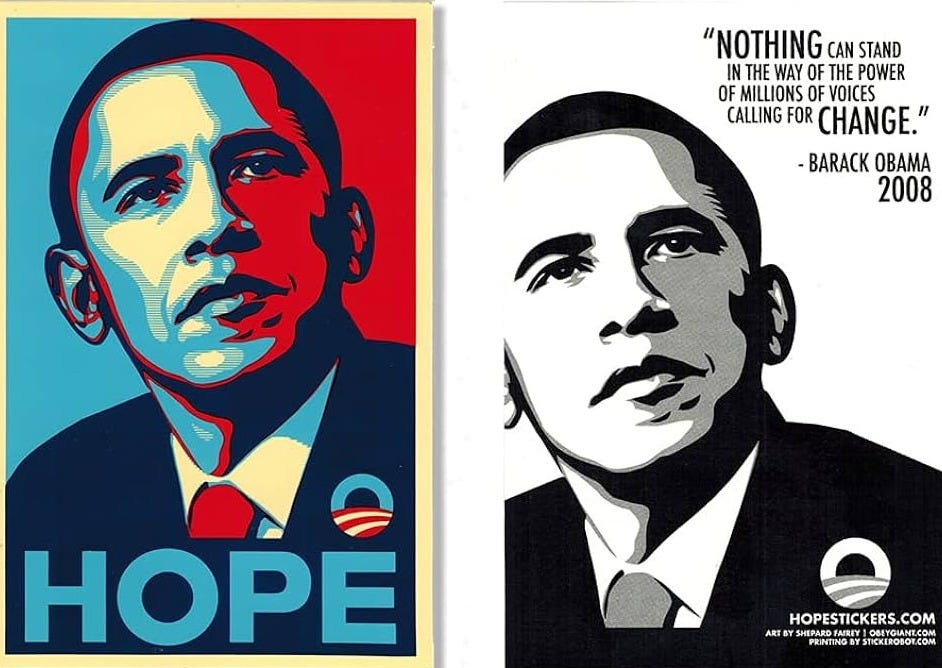

Don Draper: It goes backwards and forwards… it takes us to a place where we ache to go again.
Despite all of the signs that you’re merely repeating the cycle, and even as you back the mediocre sons of privilege while convincing yourself, and everyone around you, that the secret to success, the road to exceptionalism, the path to greatness, lies in personal merit, nothing stops the Carousel from turning. The narratives keep us moving, and movement sustains life.
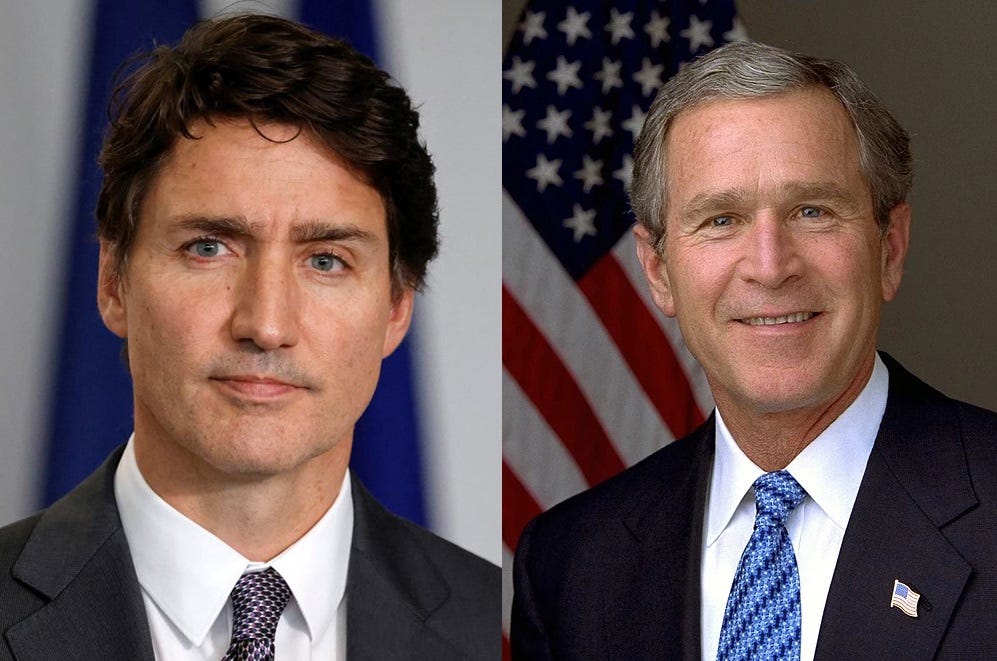
There’s always something else you need to be doing or consuming, and some exceptional man or woman will be there to guide you; to sell you on the next stepping stone of your journey.
Don Draper: People want to be told what to do so badly that they’ll listen to anyone.
Not just anyone, Don; the exceptional who walk among us, and sell us the best stories; the great fools who make greater fools of us all.
Don Draper: You are the product. You feel something. That’s what sells.
Don Draper successfully sold the Carousel to Kodak, while also selling the love of his family to himself.
Yearning to return to a place where he knows he is loved, Don hurried home in the hopes of catching his wife and kids before they departed on a family trip – a trip he opted out of so that he could pitch to Kodak.
Draper got off the Carousel and entered the front door of his home, hat in hand, only to find what most of us do when the ride stops: unrealized potential… disappointment... and emptiness.


There’s no need to pity Don Draper; he’s an exceptional man, and exceptional people tend to be the beneficiaries of narrative.
And like the rest of us, he’ll get right back in line to ride the Carousel again.
Don Draper: What you call love was invented by guys like me...to sell nylons.
Captivating, isn’t it?
What a feast this is! I few it the way a surgeon feels when they open a chest and find exactly what they expected, plus something they didn’t. Your argument is essentially a taxonomy of seduction. Yes, you read it correctly! Why we fall for performance over substance, narrative over competence, the exceptional fool over the reliable functionary.
You are right, and the Mad Men layered structure (only you can build something like that!) carries the weight well. But I want to push on one thing you leave tactfully unexamined…. the seduced know they’re being seduced, and consent anyway!!!
And allow me to say this isn’t a gap in your argument but the abyss beneath it.
There’s a concept in rhetoric the ancients called “captatio benevolentiae”, which is the capture of goodwill, the opening move designed to make you lower your defences before the real pitch begins. Every exceptional performer knows it. Every great fool deploys it. But here’s what troubles me. We’ve internalised it so thoroughly that we now perform it on ourselves. We are our own Don Drapers. We run the Carousel pitch in our own heads before anyone else gets the chance. We pre-sell ourselves on the potential of the next acquisition, the next leader, the next version of ourselves, and we do it because the alternative, sitting still with what is, feels less like contentment and more like death.
You diagnose the Carousel beautifully. I used the very metaphor this week in one of my short stories (the coincidence…. great minds do think alike). The Carousel is not a trap we fell into but a trap we built, and we keep the key.
Consider what actually happens when competence does get celebrated. It gets narrativised immediately, transformed into exceptionalism by the same machinery you describe. The engineer who kept the grid running for 30 years gets a retirement speech and a plaque. The moment we decide to honour them, we reach for the story: humble beginnings, deep dedication, the unsung hero. We cannot honour competence as competence. We have to dress it in exceptional clothing first. Even our tributes to the mundane are extraordinary in their framing.
This suggests the problem runs deeper than meritocracy mythology or Ivy League corruption… those are symptoms. The disease is that we are neurologically unequipped to find narrative in sufficiency. Sufficiency has no arc. No reversal. No anagnorisis. It just… holds.
I’ve thought about this watching institutions I once respected make inexplicable leadership choices, choosing the person who tells the better story about what they’ll do over the person who has already done it, silently, without drama. Every time, it felt like madness. Now I understand it as something more precise. It was an entirely rational response to irrational incentives. The incentive was never competence. It was the feeling of potential. And potential, as you brilliantly note, lives and dies by narrative.
The Don Draper carousel scene is one of television’s great moments precisely because Draper isn’t lying. The product is a time machine. And that is not manipulation. I see it as a more honest description of what a slide projector does than “it displays images in sequence”. His genius is that he found the true thing inside the sell. The tragedy is that he can find truth in everything except his own life.
Which brings me to what I think you circle without quite landing… the exceptional are not exempt from the carousel! They are its most devoted riders. The privilege, the narrative, the performance of exceptionalism don’t free you from the cycle of desire. They give you a better seat. Felicity Huffman, with every material advantage available to her, was as haunted by insufficient potential as anyone on a minimum wage. The carousel doesn’t stop at the VIP entrance.
And maybe that’s the most clarifying, if uncomfortable, thing to think about. We spend enormous energy identifying who’s running the carousel, the exceptional fools, the privileged mediocre, the Drapers and the Rick Singers, as if exposing them would let the rest of us off. But we are all selling something, even if only to ourselves.
The question your essay raises, and that I think deserves to be raised loudly, is: what would it cost to want what you already have?
Probably everything. And that’s exactly why the line for the carousel stretches around the block.
There’s a particular kind of writer who makes you feel, in the middle of reading an essay, that you’ve been walking around with a splinter you couldn’t locate, and then hands you the tweezers. You are that writer. The Don Draper frame is load-bearing, and the fact that it never buckles under the weight of the argument is a masterful demonstration of exactly the craft you describe. You do with structure what Draper does with the carousel… make the container inseparable from the thing it carries. And that’s your genuine formal intelligence in service of a genuinely uncomfortable idea, Andrew. What a phenomenal piece of writing!
Your essay makes a sharp and unsettling distinction that many people instinctively resist, and that is the gap between competence and greatness. Impressive how consistently you anchor that idea in the metaphor of the Carousel, the cyclical engine of desire, narrative, and dissatisfaction. A formidable rhetorical device, it becomes a structural lens that connects psychology, marketing, politics, and elite institutions into one coherent argument. That coherence is rare in essays that try to cover this much conceptual ground.
Modern systems don’t simply tolerate narrative-driven exceptionalism, they actively optimize for it.
Thus the problem is human psychology combined with the incentive structures of modern institutions that reward narrative visibility more than operational competence.
Think of it like venture capital versus infrastructure. Venture capitalists fund founders who tell compelling stories about world-changing potential, even though most startups fail. Meanwhile, the engineers maintaining electrical grids or water treatment plants, arguably among the most competent and socially valuable professionals, receive little attention, prestige, or capital. One group sells possibility; the other delivers reliability. Markets, media, and politics overwhelmingly reward the former.
An analogy from biology helps illustrate this dynamic. In evolution, traits that signal fitness, bright feathers, elaborate displays, exaggerated behaviors, often become more important in mating selection than traits that simply ensure survival. The peacock’s tail is not efficient. Isn’t it costly theater after all?! But because it signals exceptionalism, it spreads. Human social systems appear to work similarly: performative signals of greatness propagate faster than competence.
The Carousel keeps turning because we love stories, and because institutions amplify the storytellers. Media algorithms reward spectacle, venture markets reward bold narratives, political systems reward charisma, and elite educational pipelines reward status signaling. Once these mechanisms exist, narrative exceptionalism becomes a rational strategy, not just a psychological temptation.
That’s why your observation about competence being “mundane” is incisive and needed. Competence behaves like infrastructure, invisible when it works, catastrophic when it fails. Greatness, by contrast, behaves like advertising, it demands attention constantly. The first keeps civilization running; the latter captures civilization’s imagination.
Your essay succeeds because you treat narrative as infrastructure of power. The Don Draper motif is not just cultural color. It becomes a theoretical example of how storytelling manufactures perceived exceptionalism.
Your piece is compelling because it doesn’t criticize meritocracy or privilege in isolation. On the contrary, it exposes the deeper mechanism beneath them, our collective preference for stories over systems. And once you see that, as your essay suggests, the Carousel metaphor becomes hard to unsee. And what an exceptional piece you’ve written.